

5 Cloud Storage Solutions That Simplify File Management
Keeping digital files in order often turns into a frustrating hunt through scattered folders and confusing download links. Time slips away while sorting out which...
Feb 22, 2026



Smartwatches, smart glasses, and high-tech clothing now offer much more than basic step tracking. These wearable devices deliver useful tools right at your fingertips, helping you monitor your health, stay organized, and connect with others throughout your day. Innovations in this field continue to shape how people manage their routines, providing real-time information and greater convenience. Exploring six key trends in wearables reveals how these devices can fit into daily life, offering practical support for health, productivity, and communication. Staying aware of these developments helps you make informed choices as you integrate new technology into everyday habits.
Actionable tip: Download third-party apps to expand functionality. Many developers create specialized watch faces or fitness trackers that you won’t find preinstalled. Search your device’s app store for features like guided breathing sessions or language-learning prompts that suit your daily tasks.
Wearable health trackers now record metrics beyond steps—such as blood oxygen levels and stress indicators—to give a fuller picture of wellness. Devices like the Oura Ring provide personalized recovery recommendations, helping you know when to push harder and when to rest.
Real-world example: A user started using a sleep tracker that detected consistent nighttime restlessness. By adjusting evening screen time and taking a short walk after dinner, they improved sleep quality by 20 percent within two weeks.
Actionable tip: Set realistic goals based on your baseline data. Instead of aiming for 10,000 steps immediately, aim for a 10 percent increase over your current average. This gradual approach boosts motivation and reduces injury risk.
Actionable tip: Buy neutral or classic color options first so you can mix and match with future strap releases. This approach keeps your device versatile without overspending on limited editions.
Augmented reality (AR) glasses overlay digital prompts onto your view of the real world, providing navigation cues or language translations instantly. For example, a tourist wearing AR glasses might see restaurant reviews displayed next to menus as they walk through a new city.
Virtual reality (VR) headsets continue to change how we train and enjoy entertainment. Many companies now offer remote collaboration in VR spaces, enabling teams to brainstorm with 3D models as if they shared a physical whiteboard.
Actionable tip: Test a free trial at a local tech demo or showroom before purchasing an AR or VR headset. This hands-on experience helps you assess fit, comfort, and battery life—details reviews might overlook.
Employers utilize wearable badges and wristbands to monitor environmental conditions and staff well-being. In warehouses, vibration alerts notify workers of nearby forklifts to prevent accidents. Meanwhile, smart lanyards track meeting attendance and suggest networking connections during conferences.
Example: A logistics company experienced a 30 percent reduction in minor collisions after providing drivers with wearable haptic devices that vibrate when they drift out of lane or approach obstacles too quickly.
Actionable tip: If your workplace offers a wearable pilot program, volunteer to join. Giving user feedback helps shape future features and ensures devices meet actual needs.
The latest wearables measure advanced biomarkers such as hydration levels and stress hormones. New optical sensors detect blood glucose trends without finger-pricking, offering hope for more comfortable diabetes management.
Researchers also connect wearable monitors with AI-powered dashboards to identify abnormal patterns early—such as irregular heartbeats—so you can seek professional advice before small issues become emergencies.
Actionable tip: When selecting a biometric device, check that the manufacturer publishes validation studies. Devices supported by peer-reviewed research provide more trustworthy readings for health decisions.
Select wearables that improve your daily routines and suit your needs. Try different devices, set realistic goals, and stay curious to find the best fit.
Keeping digital files in order often turns into a frustrating hunt through scattered folders and confusing download links. Time slips away while sorting out which...
Feb 22, 2026

Setting a clear goal helps you begin learning new online skills with focus and purpose. Choose a specific task you want to master, such as editing photos, sending...
Feb 21, 2026

Modernizing the technology used in a small operation brings noticeable improvements, including quicker task completion, enhanced protection of sensitive information, and...
Feb 19, 2026

Smartphone apps make organizing your daily life much easier, offering convenient solutions for everything from scheduling to task management. By choosing an app that...
Feb 16, 2026

Careful analysis of data reveals valuable insights that can shape your decisions when planning a campaign or refining a product line. By examining data, you uncover...
Feb 13, 2026

Rolling out new tools in the workplace often feels like a daunting challenge, but a thoughtful approach can make the process smoother for everyone involved. Teams adjust...
Feb 10, 2026

Every time you visit a website, make a purchase, or log in to an account, you leave behind details about your preferences and habits. Websites collect information about...
Feb 08, 2026
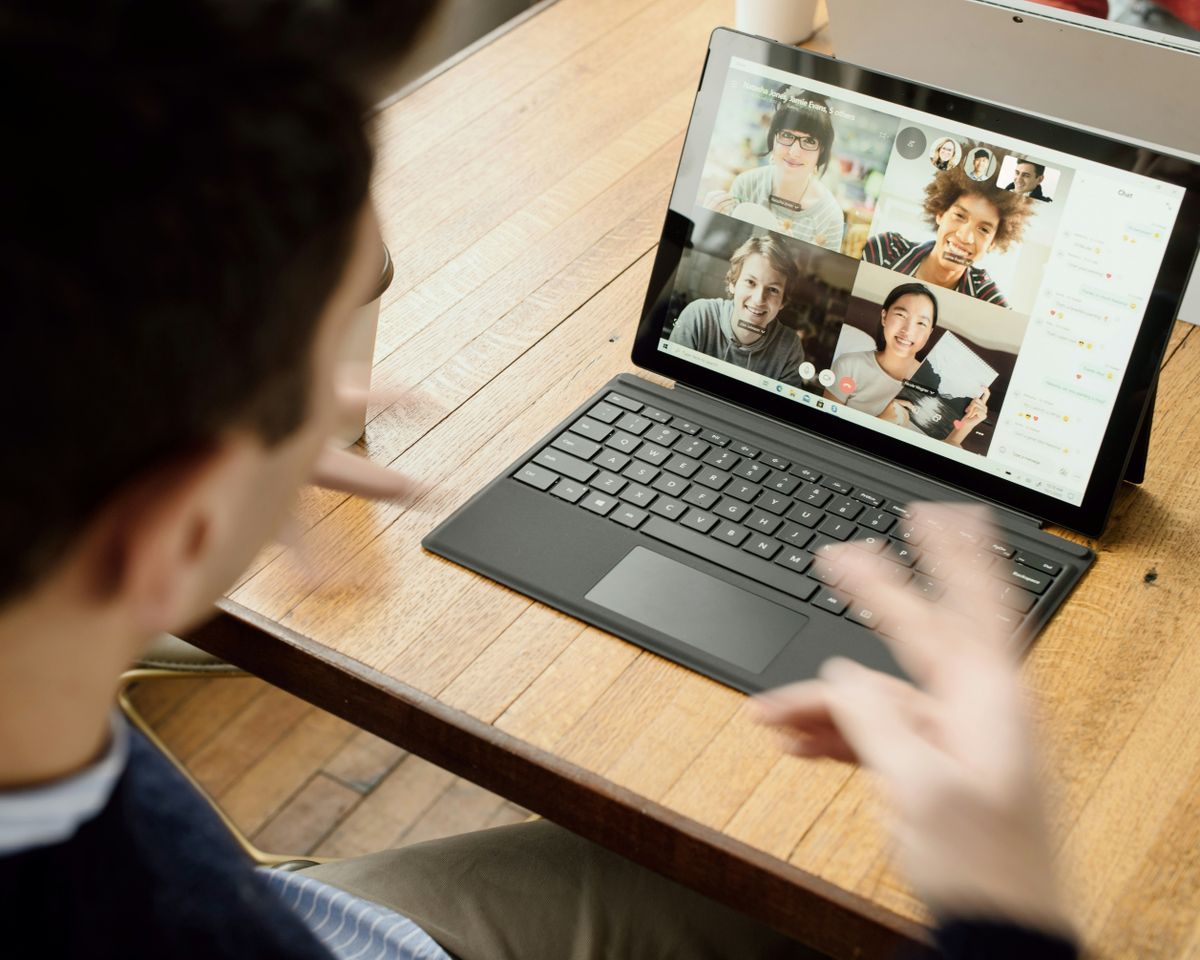
Teams often spend valuable time tracking down files and updates instead of moving projects forward. Scattered communication through emails and multiple channels can slow...
Feb 07, 2026

Creating an efficient workspace starts with selecting tools that support your daily routine. A reliable portable charger keeps your phone powered up, ensuring you stay...
Feb 05, 2026

Selecting the right cloud computing solution often brings a mix of excitement and uncertainty as you weigh business requirements, financial limitations, and technical...
Feb 03, 2026

Most individuals believe that securing a home network simply involves choosing a complex password, but the truth is that cybercriminals search for every possible...
Jan 30, 2026

Modern smart home devices offer convenience by allowing you to control everything from lights to door locks with just your voice or a simple tap. Careful planning helps...
Jan 29, 2026

Choosing the right storage method plays a key role in keeping both personal and business information secure. Storing sensitive files safely helps prevent breaches, data...
Jan 28, 2026

Donating to causes that matter to you can improve the way you manage your finances and add meaning to your spending decisions. Setting aside a portion of your income for...
Jan 26, 2026